Lead Researchers
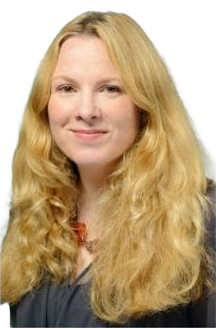
Prof Emma Teeling
Full Professor of Zoology, University College Dublin
Prof. Emma Teeling is an international leader in the cross-cutting fields of mammalian phylogenetics and comparative genomics, with particular expertise in bat biology.
She established the Laboratory of Molecular Evolution and Mammalian Phylogenetics in 2005, is a Founding Director of the genome consortium Bat1K and the Full Professor of Zoology, UCD.
She has pioneered wild bats as new models of extended healthspan uniting field, molecular, cellular and genomic studies to uncover how bats slow down expected ageing and resist disease.
She has been awarded prestigious personal grants for this research-European Research Council (ERC) Starting grant (2013-2018), a Science Foundation Ireland (SFI), President of Ireland Young Researcher Award (2006-2012), an Irish Research Council (IRC) Laureate Award (2018-2022), an SFI Future Frontiers Award (2020-2025), and an ERC Synergy grant (2024-2030) as lead PI.
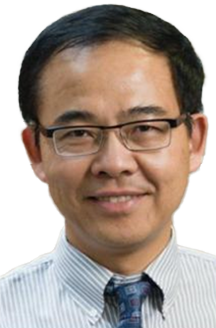
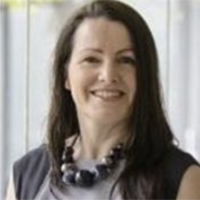
Prof Linfa Wang
Signature Research Programme in Emerging Infectious Diseases, Duke-NUS Medical School
Prof Wang is a Professor in the Programme in Emerging Infectious Diseases at Duke-NUS Medical School and the inaugural Executive Director of the Programme for Research in Epidemic Preparedness and Response (PREPARE), Singapore. He is one of the world’s leading experts in zoonotic diseases, bat immunology and pathogen discovery.
Prof Wang holds a PhD degree from the University of California, Davis USA and a Bachelor’s degree from the East China Normal University, Shanghai China.
Prof Wang is a member of multiple World Health Organization committees on COVID-19. He has more than 500 scientific papers including papers in Science, Nature, New England Journal of Medicine, Lancet, along with nine patents and many invited book chapters. He holds a number of honorary positions and memberships and has received numerous awards. Prof Wang was elected to the Australian Academy of Technological Sciences and Engineering in 2010, the American Academy of Microbiology in 2021 and Australian Academy of Sciences in 2023 in recognition of his achievement in new and emerging diseases. He received the Singapore’s President Science Award in 2021.
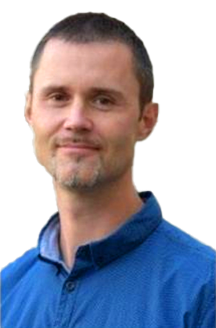
Prof Michael Hiller
Professor of Comparative Genomics, Senckenberg Research Institute & Goethe University, Frankfurt, Germany
Michael Hiller is a computational biologist and Professor of Comparative Genomics at the Senckenberg Research Institute and the Goethe University in Frankfurt Germany. His main interest is to understand how nature’s fascinating phenotypic diversity has evolved and how it is encoded in the genome.
His current research focuses on traits in bats, other mammals and vertebrates that may have potential applications in biomedicine. Current work in his lab includes (i) sequencing and assembly of reference-quality genomes of species with interesting traits, (ii) whole genome alignments, (iii) developing computational approaches for gene annotation, orthology inference, and accurate detection of relevant evolutionary changes, and (iv) applying these methods to reveal the genomic basis of phenotypic adaptations.
He received more than €7.8 Million third party funding and co-authored over 100 publications, including influential methods such as the ‘Forward Genomics’ framework or TOGA.

Prof Björn Schumacher
Chair for Genome Stability in Ageing and Disease
Since 2013, Björn Schumacher is full professor and director of the Institute for Genome Stability in Aging and Diseases (IGSAD) at the CECAD Research Centre of the University of Cologne. He received his PhD at the Max Planck Institute for Biochemistry in Munich and conducted his postdoctoral research as EMBO and Marie Curie fellow at the Erasmus Medical Centre in Rotterdam. Professor Schumacher is President of the German Society for DNA Repair (DGDR), co-Director of the Minerva Center of the Biological Mechanisms of Healthy Aging at Bar-Ilan University (IL), and between 2014 and 2020 served as President of the German Society for Aging Research (DGfA). Since 2023, Schumacher is speaker of the DFG Research Unit FOR 5504 on “Physiological causes and consequences of genome instability”. He was awarded with the Eva Luise Köhler Research Prize, the Innovation Prize of the State of North Rhine-Westphalia, the DFG Reinhart Koselleck and European Research Council (ERC) grants, coordinated the Marie Curie initial training network on chronic DNA damage in aging (CodeAge) and served on several editorial boards. His research interest focuses on the molecular mechanisms through which DNA damage contributes to cancer development and aging-ssociated diseases. Employing the C. elegans system and mammalian disease models, his group uncovered cell-autonomous and systemic responses through which the organism adapts to accumulating DNA damage with aging. Through the understanding of the basic mechanisms of genome instability-driven aging, Schumacher aims to contribute to the development of future strategies to prevent aging-associated diseases.
Consortium Researchers
Matae Ahn (Senior Research Fellow), Duke-NUS Medical School
Research area: host defense & immune tolerance, multi-omics aging atlas
Michele Albertini (PhD student), SGN
Research area: Genomics of longevity and disease tolerance in bats
Anastasia Baturina (PhD student), UKK
Research area:
Sterenn Blineau (PhD student), UCD
Research area: Ecology and evolution of bats’ fitness and aging traits
Ines Jover Bravo (Research Laboratory Manager), UCD
Research area: Molecular and cell biology, specifically genetic engineering using CRISPR systems.
Lucas Canesin (Bioinformatician), SGN
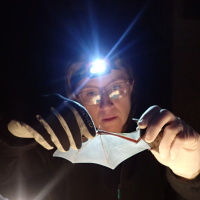
Gwenaëlle Hurpy (Research Scientist), UCD
Research area: Molecular ecology and bat prey interaction.
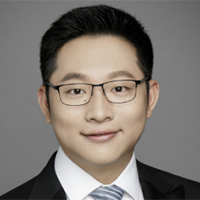
Zhu Feng (Senior Research Fellow), Duke-NUS Medical School
Research area: Bat multi-omics aging atlas
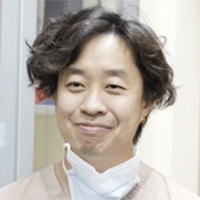
Randy Foo (Research Associate), Duke-NUS Medical School
Research area: Bat colony management, health check, sample collection and processing
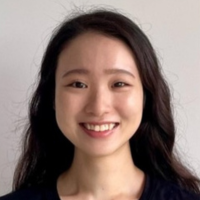
Stefanie Fung (Research Assistant), Duke-NUS Medical School
Research area: Bat multi-omics aging atlas
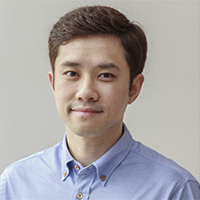
Javier Koh (Senior Research Fellow), Duke-NUS Medical School
Research area: Anti-cancer mechanisms and epigenetics in bats
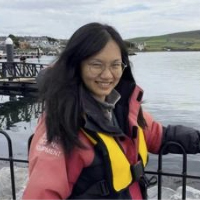
Xuanjing Li (PhD student), UCD
Research area: DREAMS in bats – DNA repair and cell cycle regulation.
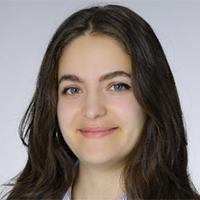
Asya Martirosyan (Postdoc), UKK
Research area: Longevity and metabolism: Unraveling the secrets of Myotis myotis bats
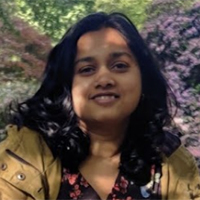
Mridula Nandakumar (Post doc), SGN
Research area: Genomics of longevity and disease tolerance in bats

Shahriar Nur (Technician), SGN

Megan Power (Research Scientist), UCD
Research area: Environmental epigenomics · Telomere biology · Life-history evolution · DNA methylation
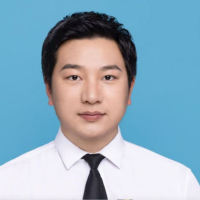
Jiahao Qian (PhD student), UCD
Research area: Single-cell genomics of pathogen-associated immune regulation and ageing in bats
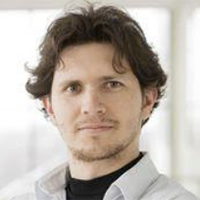
Sébastien Riquier (Research Scientist), UCD
Research area: Bioinformatics and transcriptomics
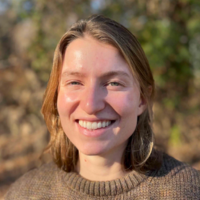
Maggie Weber (PhD student), UCD
Research area: Somatic Mutations & Cancer Resistance
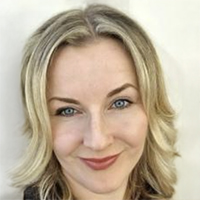
Ilze Skujina (Research Scientist), UCD
Associated Researchers
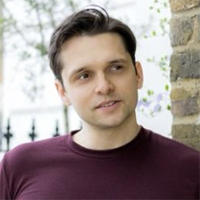
Orlin (Dominic) Alcock (PhD student), UCD
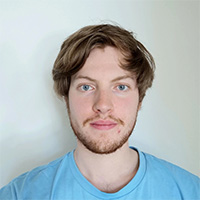
Bernahard Bein (PhD student), SGN
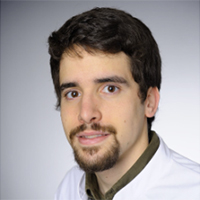
Arturo Bujarrabal-Dueso (Postdoc), UKK
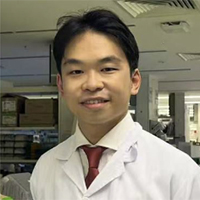
Ambrose Chung (MD-PhD student), Duke-NUS Medical School
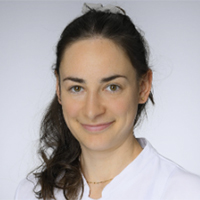
Naja Eckert (PhD student), UKK
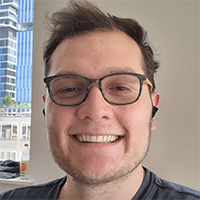
Ariel Eraso (PhD student), SGN

Alejandro Gonzales (PhD student), SGN
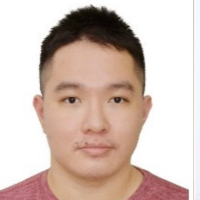
Daniel Law (Research Fellow), Duke-NUS Medical School
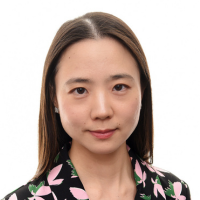
Yan Liang (Postdoc), Sanger – UCD
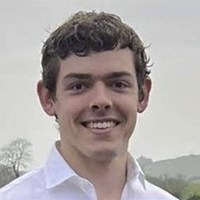
Tadhg Lonegran (PhD student), UCD
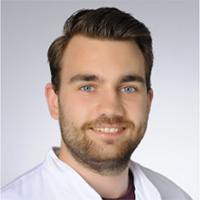
Devin Mares (Technician), UKK
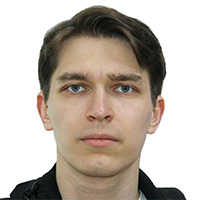
Yury Malovicho, (PhD student), SGN
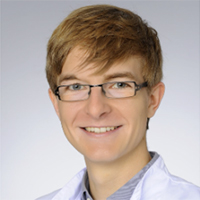
David Meyer (Postdoc), UKK
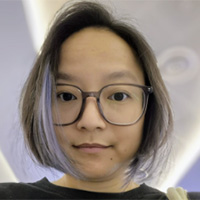
Nguyen Lan Huong (Adjunct Research Fellow), Duke-NUS Medical School
Fan Qianqian (Research Fellow), Duke-NUS Medical School
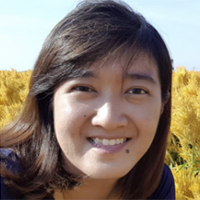
Ong Xin Mei (Research Associate), Duke-NUS Medical School
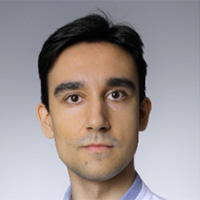
Walter Sandt (PhD student), UKK
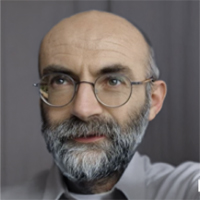
Frederic Touzalin (Postdoc), UCD
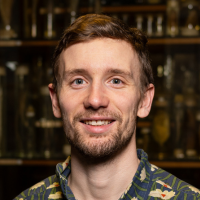
Marek Uvizl, (Postdoc), UCD
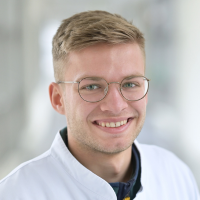
Julian Voll, (PhD), UCD
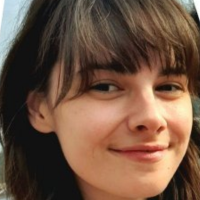
Rebecca Whitla, UCD

Tiong Yee Xuan (Research Assistant), Duke-NUS Medical School
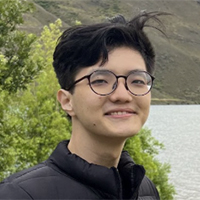
Lee Ning Yuan (PhD student), Duke-NUS Medical School
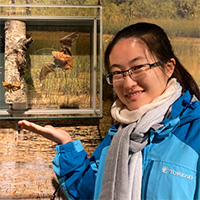
Xueling Yi (Postdoc), SGN
Collaborators
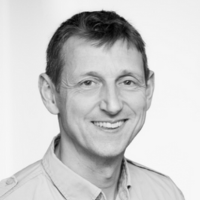
Mads Bertelsen
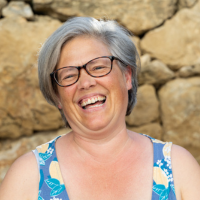
Dina Dechmann
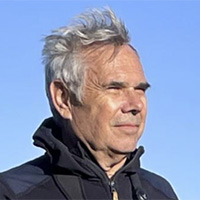
Gareth Jones
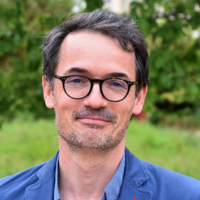
Meriadeg Le Gouil

Meike Mai
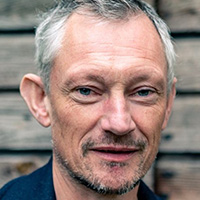
Eric Petit
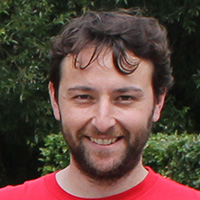
Sébastien Puechmaille
Roger Ransome
Sonja Vernes

Gerald Wilkinson
Thomas Zwaka
Independent Ethics Advisor
Steven Austad (Independent Ethics Advisor)
Administrative Staff