
Institutions
Flourishing for over 160 years
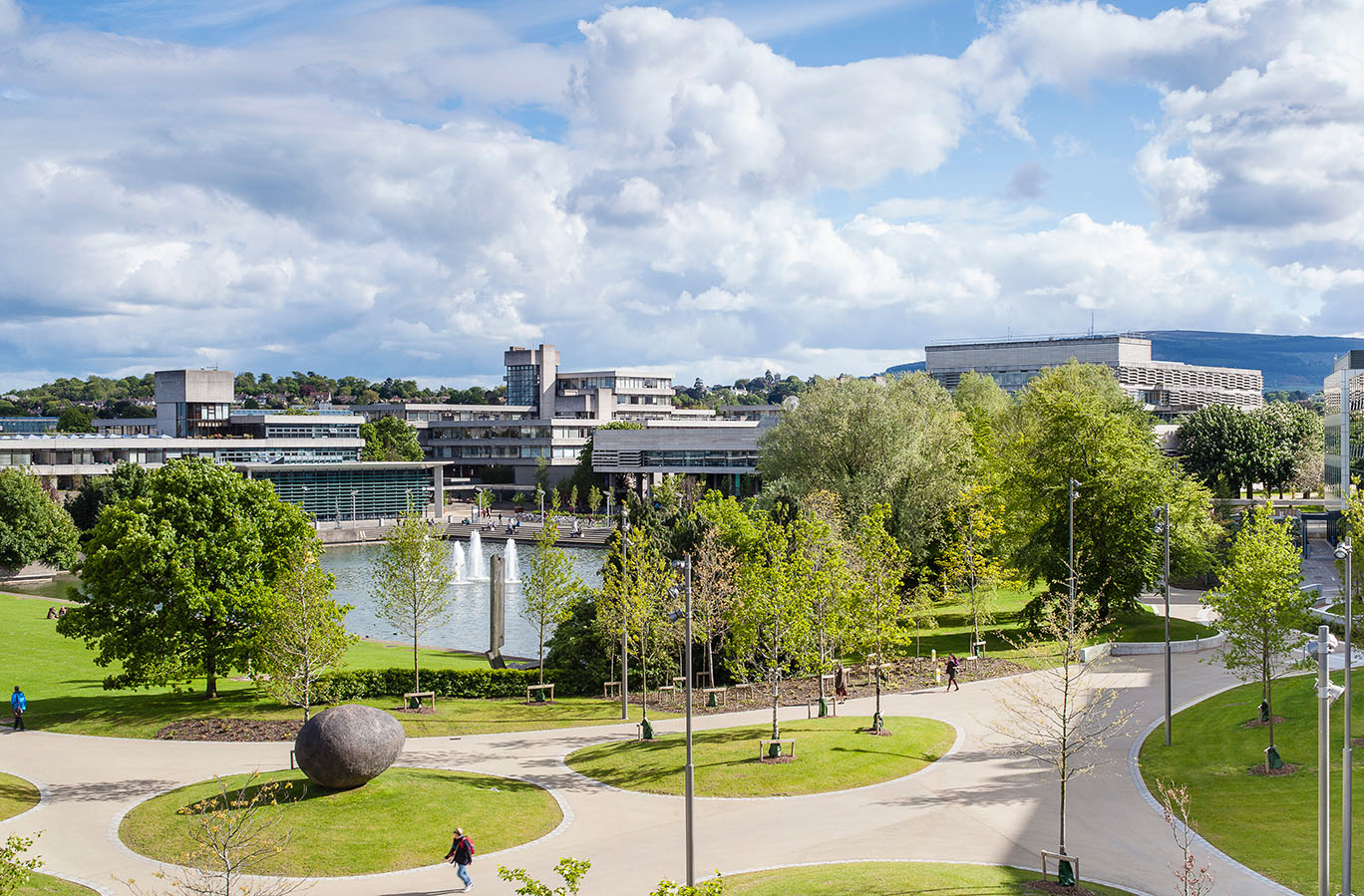
UCD is Ireland’s largest university is and one of Europe’s leading research-intensive universities; an environment where undergraduate education, masters and PhD training, research, innovation and community engagement form a dynamic spectrum of activity.
Since its foundation, the University has made a unique contribution to the creation of modern Ireland, based on successful engagement with Irish society on every level and across every sphere of activity. The international standing of UCD has grown in recent years; it is currently ranked within the top 1% of higher education institutions world-wide. UCD is also Ireland’s most globally engaged university with over 38,000 students drawn from 152 countries, including over 5,000 students based at locations outside of Ireland. The University’s main Dublin campus occupies an extensive parkland estate of 133 hectares and offers world-leading facilities.
Duke-NUS Medical School

Signature Research Programme in Emerging Infectious Diseases
8 College Rd, Level 9, Singapore 169857
Empowering the next generation to transform the practice of medicine
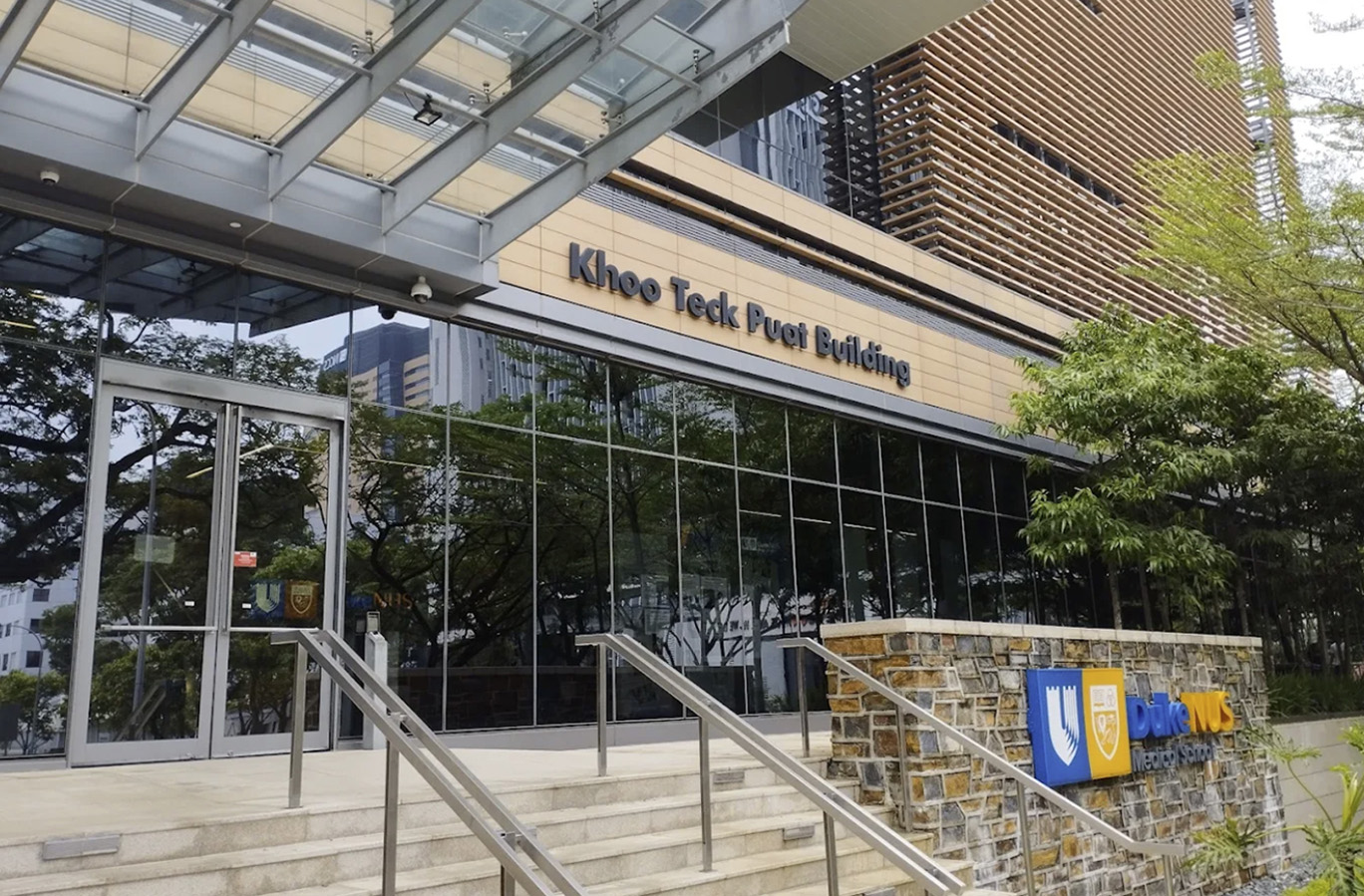
Duke-NUS stands as a beacon of excellence in medical education, research, and practice, borne from a pioneering partnership between Duke University and the National University of Singapore (NUS).
As Singapore’s only graduate-entry medical school, we are dedicated to nurturing clinical innovators and leaders equipped to navigate the complex landscape of global healthcare. Our cutting-edge curriculum, world-class faculty, and state-of-the-art research facilities are meticulously designed to cultivate a culture of innovation, excellence, and compassion.

Senckenbergische Naturforschende Gesellschaft (SNG)

LOEWE Centre for Translational Biodiversity Genomics, Senckenberg Research Institute,
Senckenberganlage 25, 60325 Frankfurt & Goethe-University, Faculty of Biosciences, Max-von-Laue-Str. 9, 60438 Frankfurt, Germany
https://www.senckenberg.de/en/
https://tbg.senckenberg.de/hillerlab/
Senckenberg – Leibniz Institution for Biodiversity and Earth System Research Frankfurt/M.
The Senckenberg – Leibniz Institution for Biodiversity and Earth System Research (SGN) was founded in 1817 by local citizens in Frankfurt under the name Senckenbergische Naturforschende Gesellschaft, which translates as Senckenberg Society of Nature Research. Today, it is one of the most important research institutions in the field of biodiversity and, with the Frankfurt House, one of the largest natural history museums in Europe. The SGN is the supporting body for seven research institutes and three natural history museums, with nearly 900 employees, including over 300 scientists. The museums are located in Frankfurt, Görlitz, and Dresden.
According to its tradition, the main purpose of the Society is to conduct biological and natural research, and to make it accessible to everyone through publications, education and its museums. Today, its purpose is more important than ever, as interest and curiosity are growing worldwide and many biological questions remain to be answered, such as those relating to climate change and the protection of our planet.
KLINIKUM DER UNIVERSITAET ZU KOELN (UKK)

Institute For Genome Stability In Ageing And Disease
https://schumacher.cecad-labs.uni-koeln.de/home
https://www.uk-koeln.de/
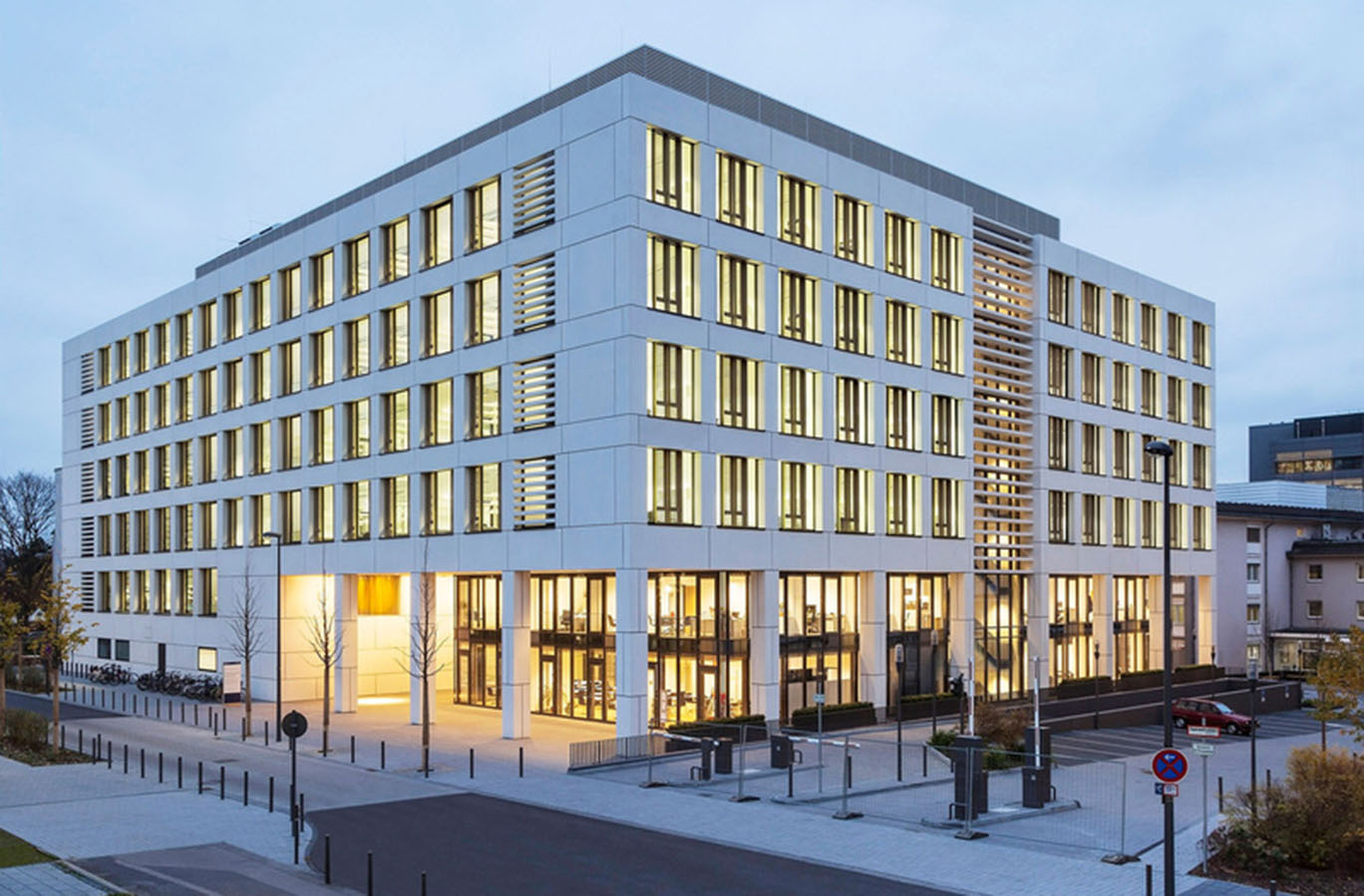
The Institute for Genome Stability in Aging and Disease (IGSAD) is devoted to investigating the molecular mechanism of aging and chronic diseases. Aging is strongly correlated with a host of human pathologies, most prominently with cancer, inflammatory, cardiovascular and neurodegenerative diseases such as Alzheimer’s and Parkinson’s, as well as general functional decline. It is, therefore, of outstanding interest to further our understanding of the mechanisms underlying human aging and disease. DNA damage has been shown to play a central role both in cancer and, more recently, in aging. DNA damage can lead to genetic aberrations such as mutations that fuel cancer development. DNA damage can also interfere with transcription and replication leading to cell death, cellular senescence, and decline of cellular functionality. Consequently, stem cell compartments are deprived and differentiated cells degenerate. To protect from these outcomes, eukaryotes have evolved the DNA damage response, a complex network of signaling and repair mechanisms. The DNA damage response spans across all cellular compartments ranging from epigenetic alterations to the disruption of metabolism and proteostasis, mitochondrial dysfunction and inflammation. The IGSAD aims to unravel the molecular mechanism through which DNA damage promotes the aging process, causes cancer and age-related diseases. IGSAD scientists investigate DNA repair mechanisms that maintain the stability of the genome and how genome structure is maintained. We are using the genetic model organism Saccharomyces cerevisiae and Caenorhabditis elegans, mammalian disease models and human tissue cultures. IGSAD groups are associated with the CECAD excellence cluster of aging research, the University Hospital of Cologne, the Max Planck Institute for the Biology of Aging, and the German Aerospace Center (DLR).