The BATPROTECT project, led by UCD’s Emma Teeling, has been awarded a European Research Council (ERC) synergy grant to look into the molecular mechanisms behind bats’ abilities to slow down ageing processes.
An international research project led by bat biologist and Professor of Zoology Emma Teeling from University College Dublin has been awarded a European Research Council (ERC) synergy grant of €11,882,510.
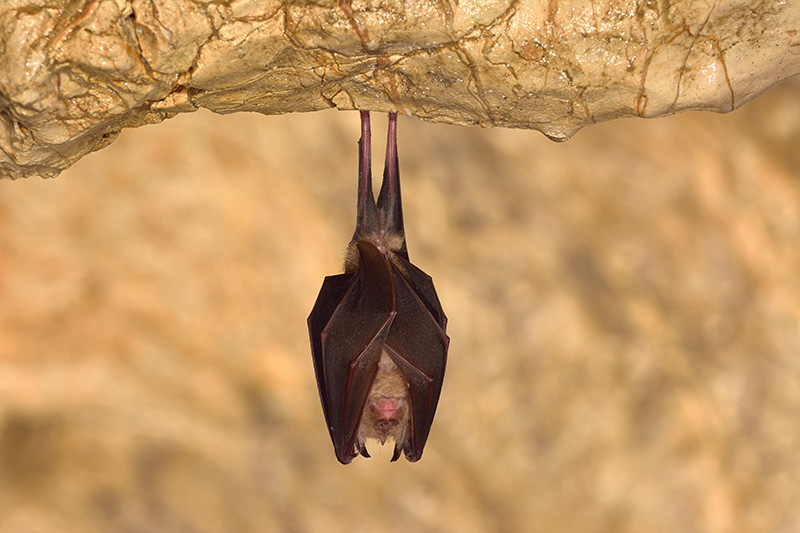
Bats stand out among mammals for their exceptional longevity and minimal age-related health issues. Even though they serve as hosts for numerous dangerous viruses, bats usually don’t show symptoms of viral infections thanks to their unique immune system adaptations.
The BATPROTECT – Learning from Bats: New strategies to extend healthspan and improve disease resistance – project aims to make significant advancements in our understanding of the specific genetic and biochemical factors within bats that are responsible for their ability to live longer, healthier lives and resist diseases. Uncovering these molecular mechanisms could open up new possibilities for improving human health and disease outcomes.
The project brings together a team of world-leading experts in bat biology, genomics, immunology, and gerontology. Together, they will delve into the molecular mechanisms behind bats’ abilities to slow down ageing processes and their remarkable resistance to viruses and age-related inflammation.
Furthermore, the team will explore the genetic basis and evolutionary history behind bats’ extended health span and disease resistance and create genetically modified animal models to experimentally confirm the unique adaptations found in bats. Ultimately, this research will deepen our knowledge of how bats manage to stay healthy and resist diseases, potentially paving the way for future therapeutics.
The BATPROTECT team is composed of:
- Emma Teeling, University College Dublin, Ireland
- Linfa Wang, National University of Singapore, Singapore
- Michael Hiller, Senckenberg Research Institute, Germany
- Björn Schumacher, Institute for Genome Stability in Ageing and Disease, Germany